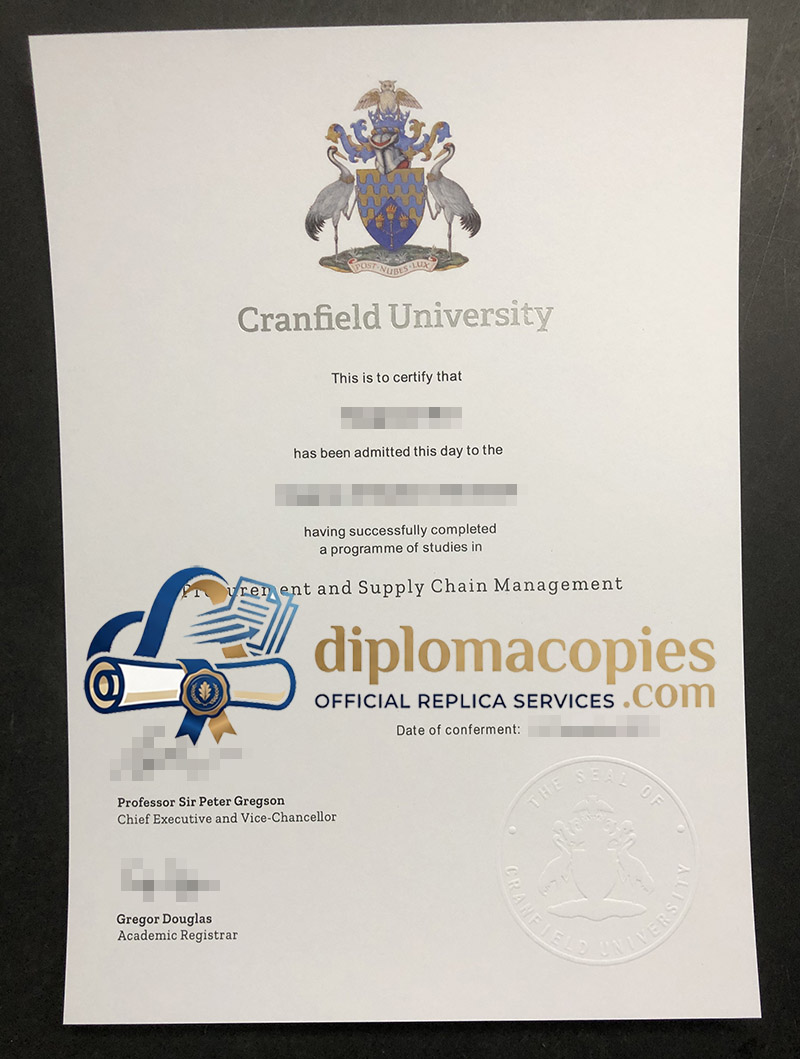
Cranfield's high-quality articles in metal additive manufacturing deliver the most direct economic and environmental dual benefits. Cranfield University diploma, Cranfield University degree, Cranfield University certificate. The research began in 2006 with the goal of replacing large metal forgings with a cheaper, faster, and more sustainable process.
The core focus was titanium alloy—a lightweight, high-strength metal whose production consumes approximately 650 megajoules of energy per kilogram and costs around $50/kg. In conventional manufacturing, the "buy-to-fly" ratio for aerospace structures reaches as high as 10:1, meaning 90% of material becomes waste.
Cranfield's development of Wire Arc Additive Manufacturing (WAAM) reduces material consumption by up to 80% and manufacturing costs by up to 70%.
The technology has been commercialised as Cranfield spin-out WAAM3D Limited, whose systems have been adopted by companies including Lockheed Martin, Thales, TechnipFMC, and Relativity Space, with Singapore's Accuron Technologies investing £1.5 million. More notably, a miniature WAAM3D system designed at Cranfield has been deployed aboard the International Space Station. #Replica a Cranfield University certificate online.
The value of the academic articles in this case lies in the fact that they document the complete translation chain from fundamental materials research to space-grade application.
In 2026, Cranfield was selected to coordinate the UK's £30 million Aviation Non-CO₂ Research Programme, jointly funded by the Department for Transport, the Department for Business and Trade, and NERC. Where can i get to buy Cranfield University certificate?
The programme brings together climate scientists and aerospace experts to deepen scientific understanding of how contrails, nitrogen oxides, and other non-CO₂ effects contribute to aviation's carbon footprint, and to develop mitigation solutions that can be applied before large-scale fleet renewal.
How to order a Cranfield University degree online?
Cranfield's role is not merely that of a research participant but of a national-level coordinator and integrator: connecting findings across parties, organising workshops, and ensuring alignment of outputs to maximise policy value.
Professor of Atmospheric Informatics Neil Harris leads the Cranfield team and chairs the programme's advisory group, stating clearly that the research aims to "help accelerate evidence-based approaches to reduce aviation's climate footprint in the near term."
The associated academic articles therefore serve a direct decision-support function rather than being purely academic exercises.